


Why did you become a nurse?
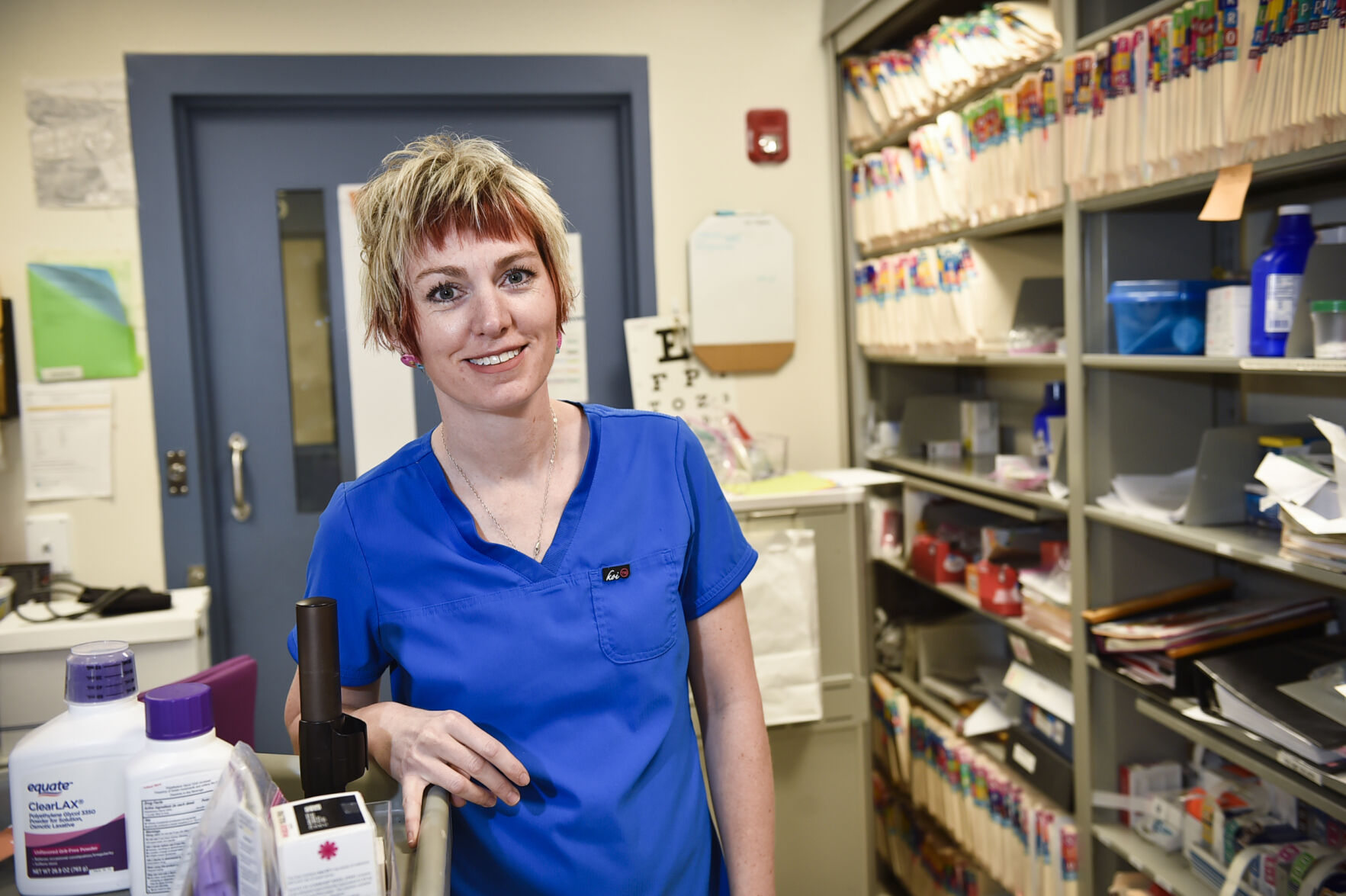
I have a masters degree in public health and administration and worked in that field in Washington before a series of significant life events brought me back home to Montana. Once here, for various reasons including the fact that nursing complemented my public health degree, I enrolled in the Helena College Nursing Program. Upon completing my nursing school and licensing requirements I went to work at the Lewis and Clark County Detention Center in March of 2021. It is a good fit for my public health and administrative background, my skill set and my temperament. I am now the head nurse at that facility and though I am exhausted at the end of the week, I love my job.
What skills are most important for nurses?
The field of nursing is broad, with a variety of different types of nurses, work environments and patients. At this point I can only speak to the skills necessary for my work environment, a detention center. In a detention center, security and safety of the detainees, officers and staff is the first priority. In light of that sometimes there are conflicts with what the nursing staff and detention officers believe is the best course of action. This conflict requires the ability to cooperate and collaborate. Most of our detainees do not have health coverage, as Medicare and Medicaid are suspended while you are in jail, so my job involves trouble shooting. We daily face providing care and covering costs for this uninsured population. This obstacle requires a nurse to be creative, persitent and resourceful.
People are also reading…
What does it take to be a nurse in challenging times?
There are few nursing jobs where each day you show up and most patients you meet initially do not want to be with you. Most of the detainees have had little or no care for a very long time. They are frustrated, angry, anxious, scared and often times not the nicest folks in the world. It takes thick skin to be a nurse here. Providing medical care is part of what I do but a necessary skill for this job is compassion, acknowledging that each person in the detention center is a human being and is to be treated as such. Most of the detainees have had little support at any time from anyone in their lives. If they are mean, sad, happy, scared, anxious, call me names, I help them — that is why I am there.
Any final thoughts?
In a nutshell this job is fast paced and demanding, it requires me to collaborate, constantly learn, organize, put out fires, be creative, be tough; it allows me to work at being compassionate.
My parting thought is work at the detention center is a continuous reminder of how lucky I am and how we are not all dealt the same deck of cards. It helps keep me grateful.


